

PROJECT
Aftermarket & Heavy-Duty Equipment Engineering Support Around the World
Customer: Companies Around the World
About This Project
MEDATech Engineering provides remote engineering and consulting support for heavy-duty equipment, worldwide, for the machines we build, as well as for heavy-duty equipment that we have retrofitted or modified. We leverage onboard data logging and secure remote connectivity to troubleshoot electrical, mechanical, controls, hydraulic, and software issues from our offices in Collingwood, Ontario, Canada. Our goal is to resolve problems without the need to send personnel to site.
Whether we are supporting a newly commissioned machine or an established fleet, our professional engineering consultants analyze the data and work directly with customer engineers, technicians, mechanics and operators to diagnose faults, guide repairs, refine machine performance, and maintain reliable operation.
Challenge
As heavy-duty mobile equipment systems become more complex, troubleshooting also becomes more challenging. Interpreting machine data often requires an advanced understanding of system interactions. Complex motor control systems, for example, are more difficult to diagnose remotely. Our service engineers, however, have the detailed system knowledge required to confidently take corrective actions while coordinating with personnel on site in real time.
This isn’t generic technical support. Our customers have direct access to engineers with experience designing, integrating, programming and commissioning complex heavy-duty mobile equipment. That detailed system knowledge allows us to look beyond individual faults and understand how the machine is operating as a whole.
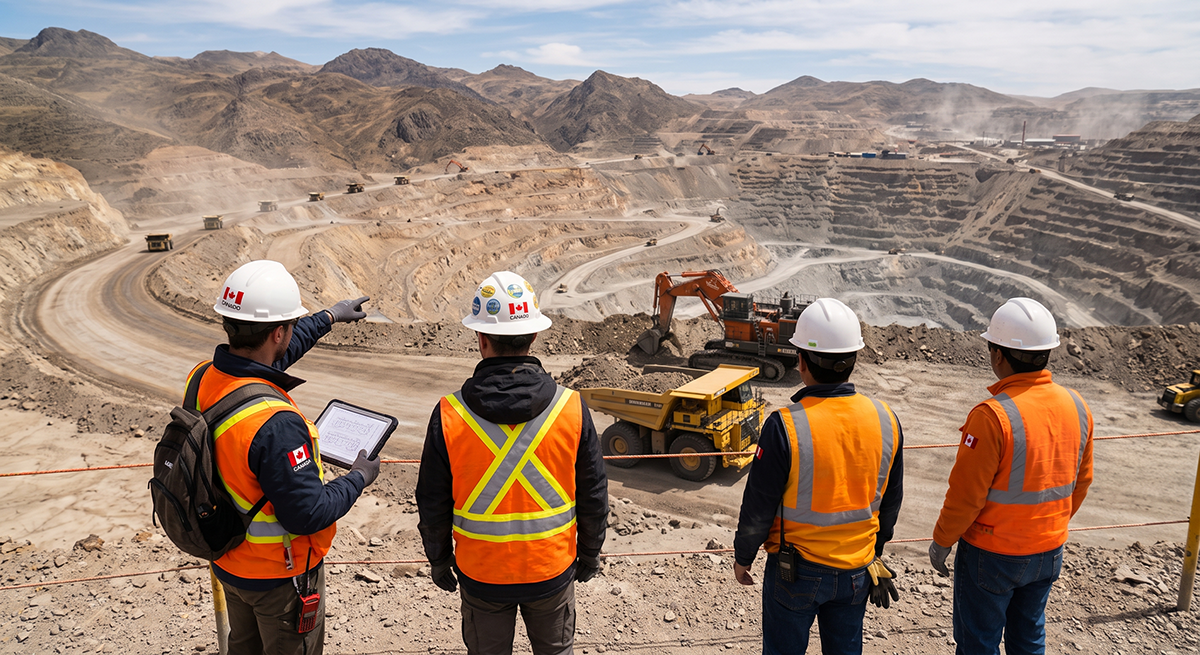
Supporting sophisticated equipment in remote operating environments presents additional challenges. Our machines are often operating in places with limited communications infrastructure or difficult environmental conditions. When a fault occurs, customers need timely engineering support to isolate the root cause of the fault and devise a solution that gets the machine back online. If remote support is not an option, our service team is ready to pack their bags and travel to customers, whether they may be.
Sometimes onsite is best
Knowing when to go to site is just as important as knowing what can be solved remotely. We had a situation in Suriname where valve issues were taking a machine out of operation. Our initial response was to provide firmware updates, but we ultimately had to replace the entire CAN head valve control block. The diagnostic-and-replacement process created timeline pressures and required multiple recalibrations of the hydraulic system. Remote testing was delayed by both poor weather conditions and coordination challenges with the customer team. In this particular situation, having MEDATech engineering support on site would have been more efficient, given the sheer volume of dynamic testing and calibration required.
That experience helped us establish what we call the “pack-your-bags tipping point”—a protocol for recognizing when continuing with remote troubleshooting is no longer the fastest or most effective option for our customer.
Solution
Our goal is simple: get the right information in front of the right engineers as quickly as possible.
Our heavy equipment engineers follow a remote-first support model. Every support case begins by gathering machine data through onboard logging systems that continuously record CAN bus diagnostics, system states, fault information and operating data. Using secure remote connections over Wi-Fi, cellular networks or Starlink, our engineers can often access these logs directly and quantitatively analyze the behaviour of the machine before recommending corrective action. Where network connectivity is unavailable, operators can export diagnostic logs to physical devices for transmission to MEDATech with little delay.
Phone and video calls are the primary communication channels for resolving urgent issues in real time, while email and various media tools can effectively support longer-running investigations and coordination. Videos of machine issues together with logged system information provide our engineers with a sound basis for resolving machine issues.
For automated systems such as RodBots, troubleshooting frequently combines machine logs with data from the onboard Path Planning Unit, allowing MEDATech engineers to diagnose calibration, hydraulic, or motion-control issues without travelling to site. Remote support also extends to commissioning assistance, functional testing, software refinements, and ongoing performance improvements after deployment.
When remote support reaches its practical limits—such as hardware replacement requiring extensive recalibration, or situations where rapid interaction with the machine is essential—our engineers pack their bags. Because we take each investigation as far as we can remotely, field visits are focused, efficient, and guided by a clear plan.
Results
Advances in onboard data logging, remote connectivity and diagnostics tools have significantly reduced the need for travel while improving troubleshooting effectiveness. Many equipment issues can now be identified, diagnosed and resolved remotely, allowing customers to restore equipment more quickly and avoid both delays and unnecessary service visits.
For established platforms such as Watson Hopper workover rigs, instances of on-site troubleshooting have dropped as our remote diagnostics program has matured. Our engineers are able to review system logs before field mechanics begin repairs, allowing customer and MEDATech teams to work in parallel and arrive at a clear understanding of likely root causes.
Remote support also creates a beneficial feedback loop between customers, the aftermarket engineering team, and MEDATech product development staff. The diagnostic data and customer feedback our aftermarket team receives helps to refine software behaviour, improve diagnostics, and support future product enhancements.
Highlights
- Remote-first engineering support for complex equipment
- Secure access to onboard diagnostic data
- Connectivity through Wi-Fi, cellular, Starlink, etc.
- Engineering-level troubleshooting for all systems
- Remote support for commissioning & calibration
- Tight collaboration with customer teams