

PROJECT
Precision Mining Control Systems Integration
Customer: Canadian Mining Tech Co.
Summary
This MEDATech customer’s precision mining system combines subsurface modelling and precise drilling with real-time controls for selective ore extraction. We provided aftermarket engineering support to refine controls, communications, and deployment readiness.
The RCD system required reliable controls and waterproofed electronics for submerged, high-vibration underground conditions.
MEDATech integrated distributed I/O, developed PLC and HMI systems, implemented wireless communications, and ruggedized downhole components.
The system reached field deployment, completed controlled drilling tests, and generated data for future design improvements.
About This Project
This Canadian mining technology customer combines precise drilling with advanced subsurface modelling to selectively extract narrow, high-value ore deposits with minimal waste and reduced environmental impact.
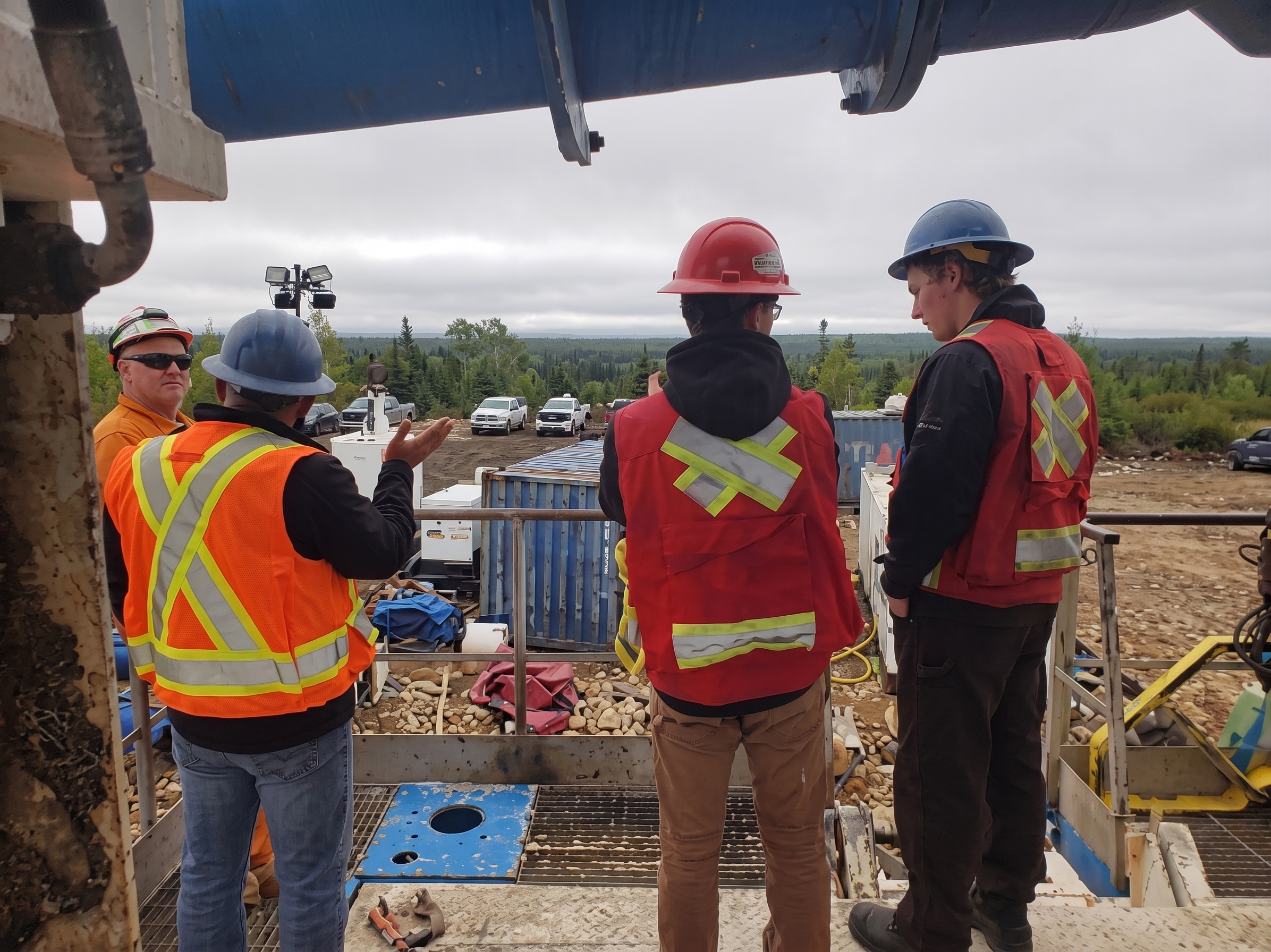
Operating at the intersection of geology, data, and mechanical systems introduces unique challenges: this drilling method must perform reliably in highly variable underground conditions while maintaining the tight tolerances required for precision extraction. After learning about the company’s requirements and hurdles, we sent a small team of engineers to help fine-tune drill performance.
Challenge
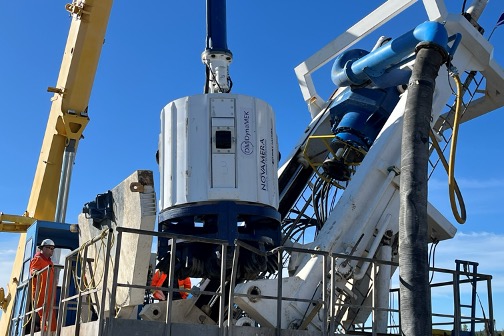
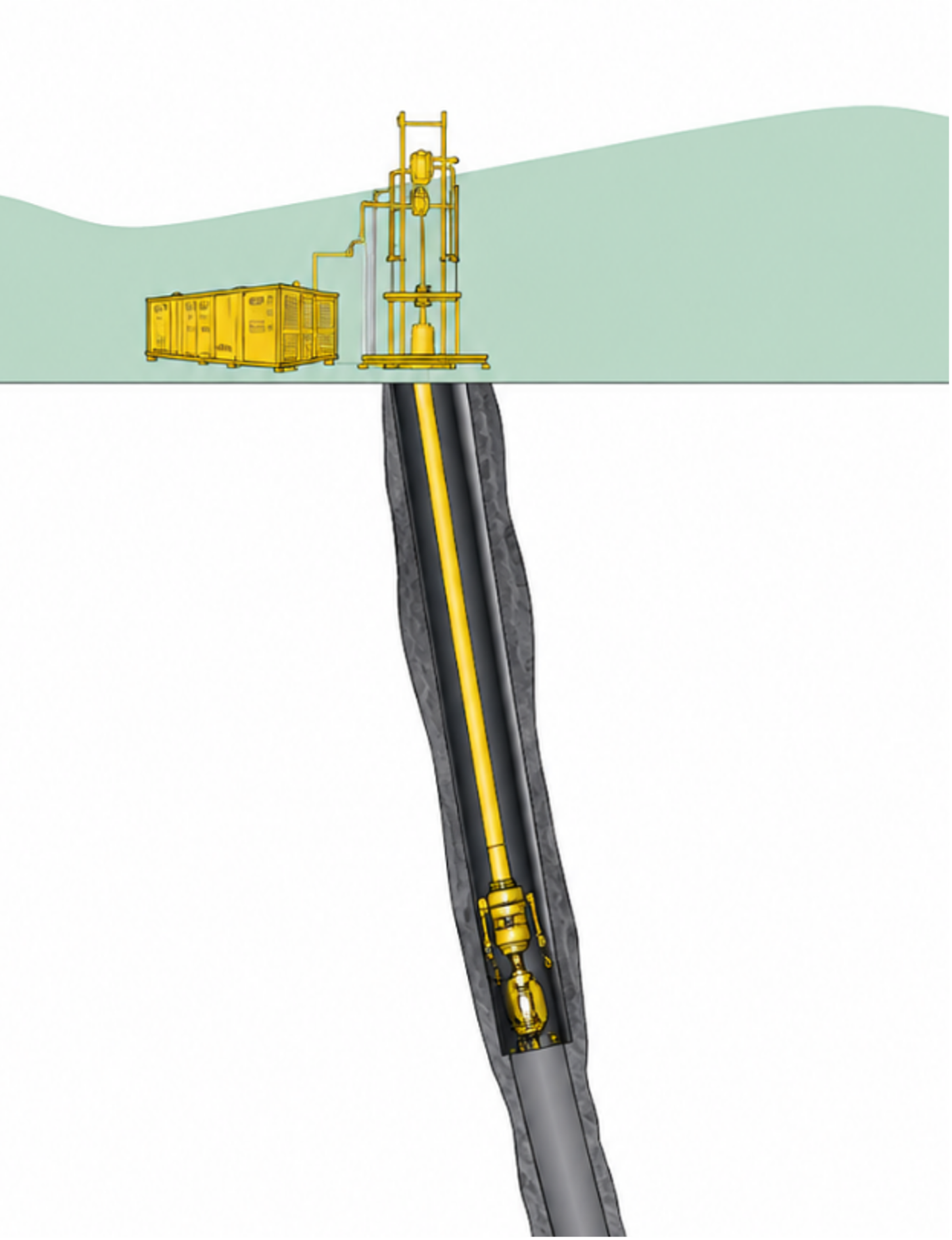
The precision mining system is based on reverse circulation drilling (RCD). The system needed to translate ore body modelling and positional feedback into physical downhole drill control. The drill head must steer through narrow, steep deposits identified by deposit modelling and guided by advanced real-time orientation data.
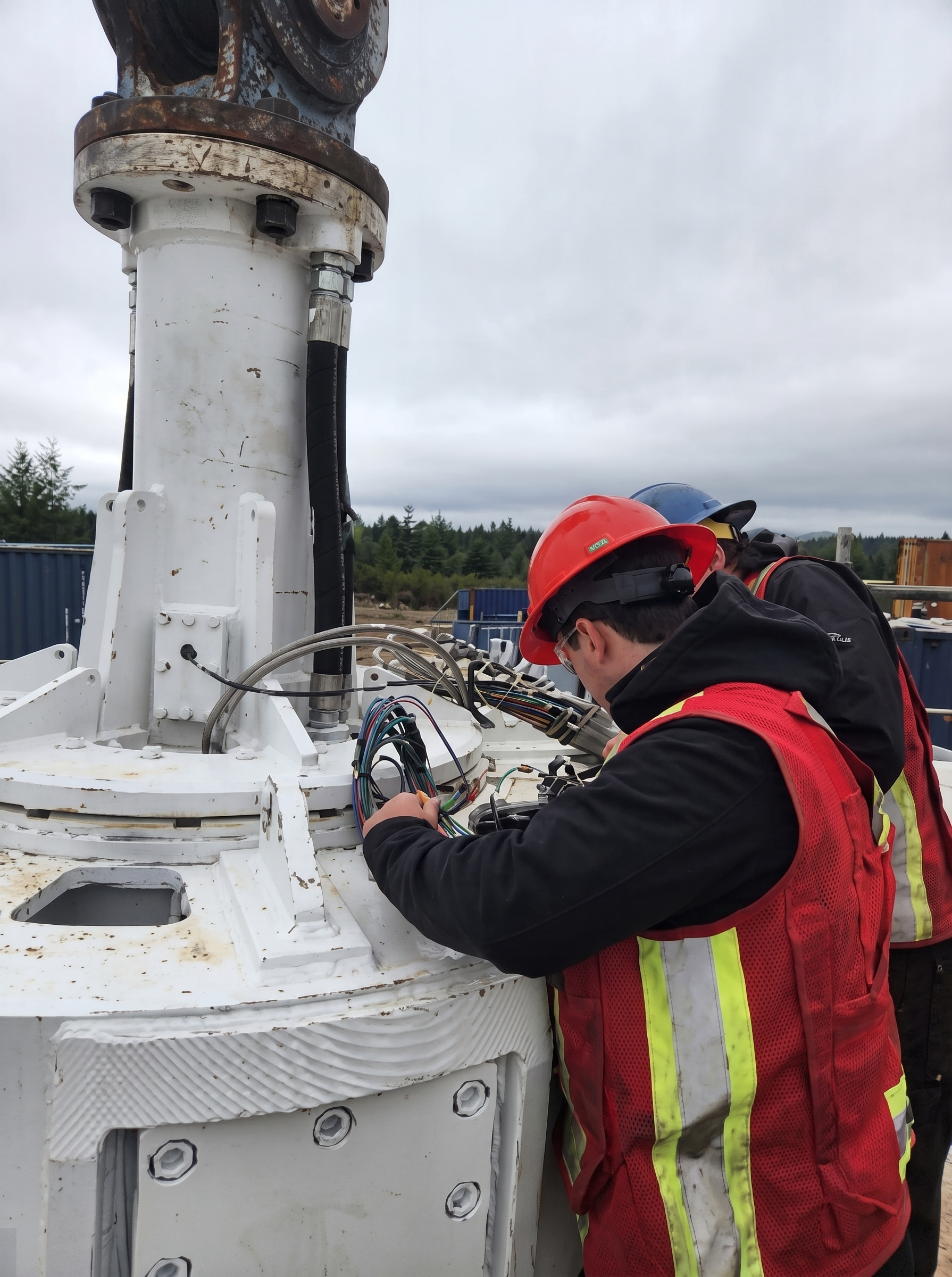
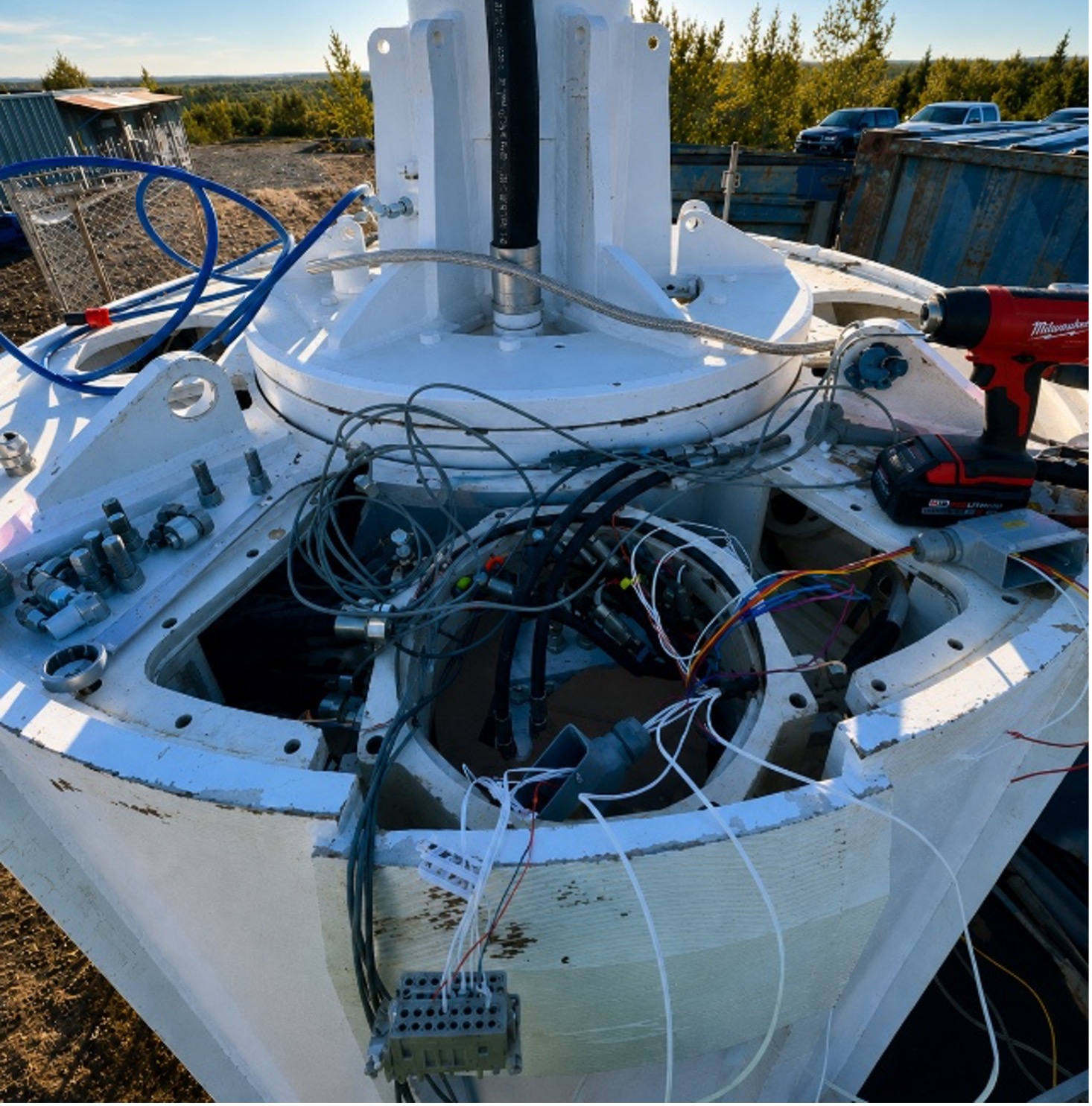
The drill is controlled by means of steering paddles connected to hydraulic systems. Pressure and proximity sensors, string encoders, flow sensors, digital switches, PLCs and other distributed I/O across the rig and supporting equipment all form part of the control and drilling system. To say the system is advanced would be an understatement. Electrical wiring and integration of the entire system’s sensors and I/O had to be done before any field testing could begin. Given the large size of the system, comprising multiple generators and hydraulic power packs, an integrated emergency-stop circuit was included to prevent operator injury.
Extremely harsh environmental conditions added another layer of difficulty. The bottom-hole assembly operates in a submerged, high-vibration application where electronics, connectors, and cables must withstand water ingress, shock, and limited access once deployed. Unlike a conventional machine, much of the system could not be easily reached during testing or operation.
When our team arrived, our customer was having issues establishing communications with all of the inputs/outputs between rotating and non-rotating equipment: data from the downhole assembly had to travel from a rotating drill string to a stationary surface panel.
Multiple communication solutions had already been evaluated, but supply chain limitations forced the team to develop another method to reliably transfer data. At the remote field-testing site, our team needed to make practical engineering decisions with the materials, tools, and information available.
Solution
MEDATech led the electrical integration of all of the system’s sensors and I/O, which included wiring and calibration for over 80 different I/Os. Many critical items like electrical slip rings and advanced positional sensors were meticulously wired for project success. As safety is always our highest priority, a robust safety circuit was implemented that tied into all hydraulic and electrical power units on site.
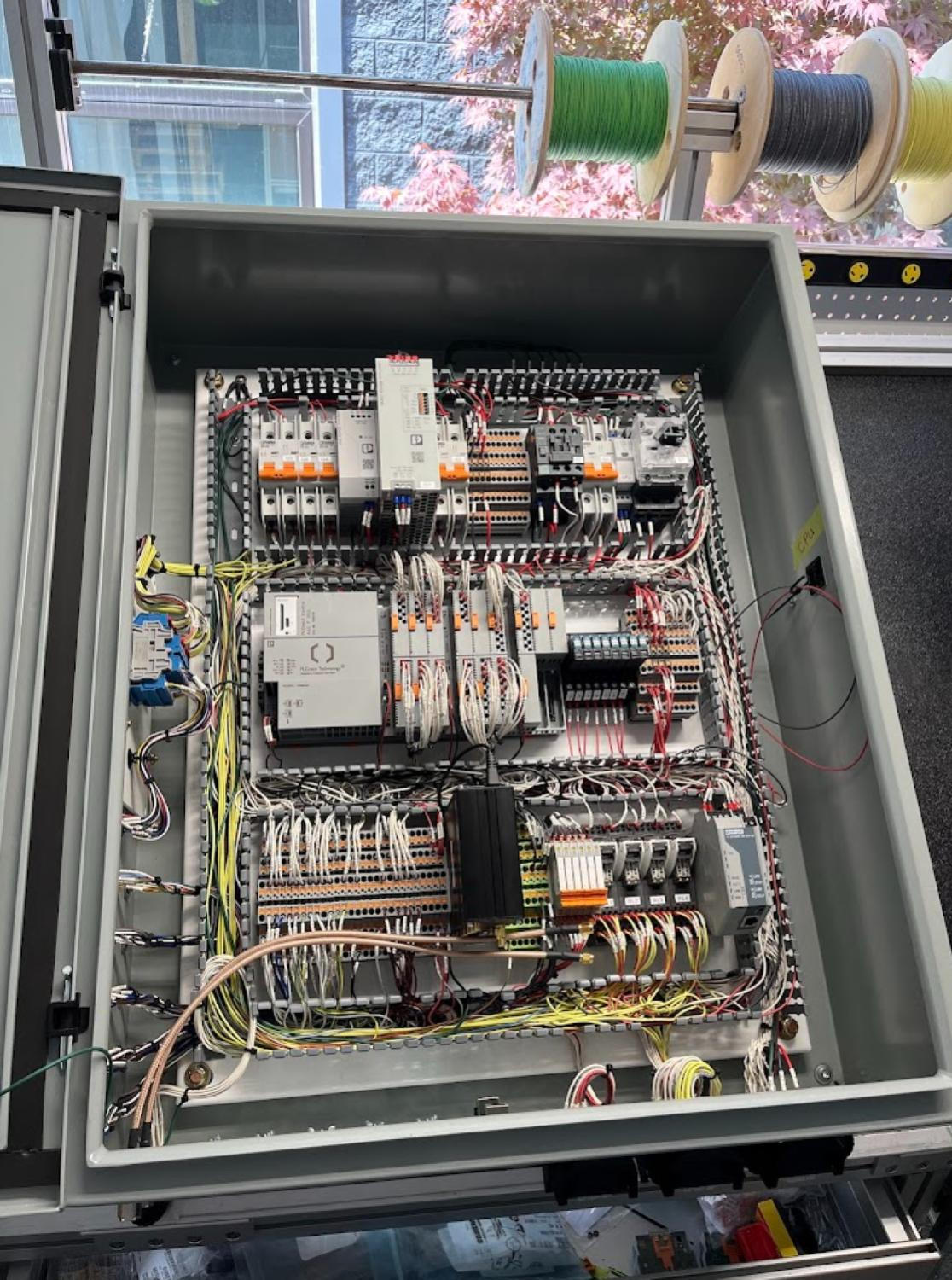
Our multidisciplinary team of engineers made a substantial contribution to refining the precision mining electrical and controls system. We built the PLC logic and provisioned the I/O for the many distributed sensors and devices including pressure sensors, proximity sensors, string encoders, flow sensors, digital switches, hydraulic power pack feedback, and downhole instrumentation.
We adopted and successfully implemented PROFINET, a communication protocol, enabling effective controller communication. We also developed and built the operator interface. The HMI brought positional feedback, orientation data, sensor status, and steering together on a screen the operator could use to understand the system and send commands to the downhole drill head.
To solve the rotating/stationary issue at the core of downhole communications, we implemented a data-transfer solution that included wireless communications with a reinforced ethernet network between the rotating drill string and the stationary surface panel. This optimized communications network allowed the system to continue towards field deployment.
We also ruggedized key downhole electrical components: vibration isolation, improved electrical connections, and—trickiest of all—sealing improvements for submerged electronics and connectors. On site, our team resolved wiring and integration issues and established practical engineering control over the implementation.After the deployment, our team conducted a failure analysis when a submerged connector failed, and water entered the electrical assembly. We used this information to guide a more robust redesign for a future deployment.
Results
After nearly four months of development, MEDATech delivered the control system needed to reach field deployment before winter, resulting in three days of controlled drilling and testing. While the test did not run as long as originally desired due to a connector sealing failure, it produced valuable field data on vibration, water exposure, component behaviour, wiring realities, and the practical demands of operating the system in remote conditions.
Our process involved bench testing, integration, onsite problem solving, and commissioning work. The system successfully brought together downhole positioning feedback, operator commands, PLC logic, and distributed sensor data into a functioning control platform.
The project also created a clear path for the next design iteration. We are now working with our customer to harden the system for future testing and eventual commercialization.
Highlights
This MEDATech customer’s precision mining system combines subsurface modelling and precise drilling with real-time controls for selective ore extraction. We provided aftermarket engineering support to refine controls, communications, and deployment readiness.
The RCD system required reliable controls and waterproofed electronics for submerged, high-vibration underground conditions.
Engineering Services
Have a complex equipment or controls integration challenge?
Talk to Our Technical Team